Best & Famous Markets in Jaipur: Complete Shopping Guide
Jaipur is the kind of city where you can enter a market planning to buy one scarf and leave two hours later carrying mojari, bangles, bedsheets, blue pottery, jewellery, three gifts you didn't know…
16 min read
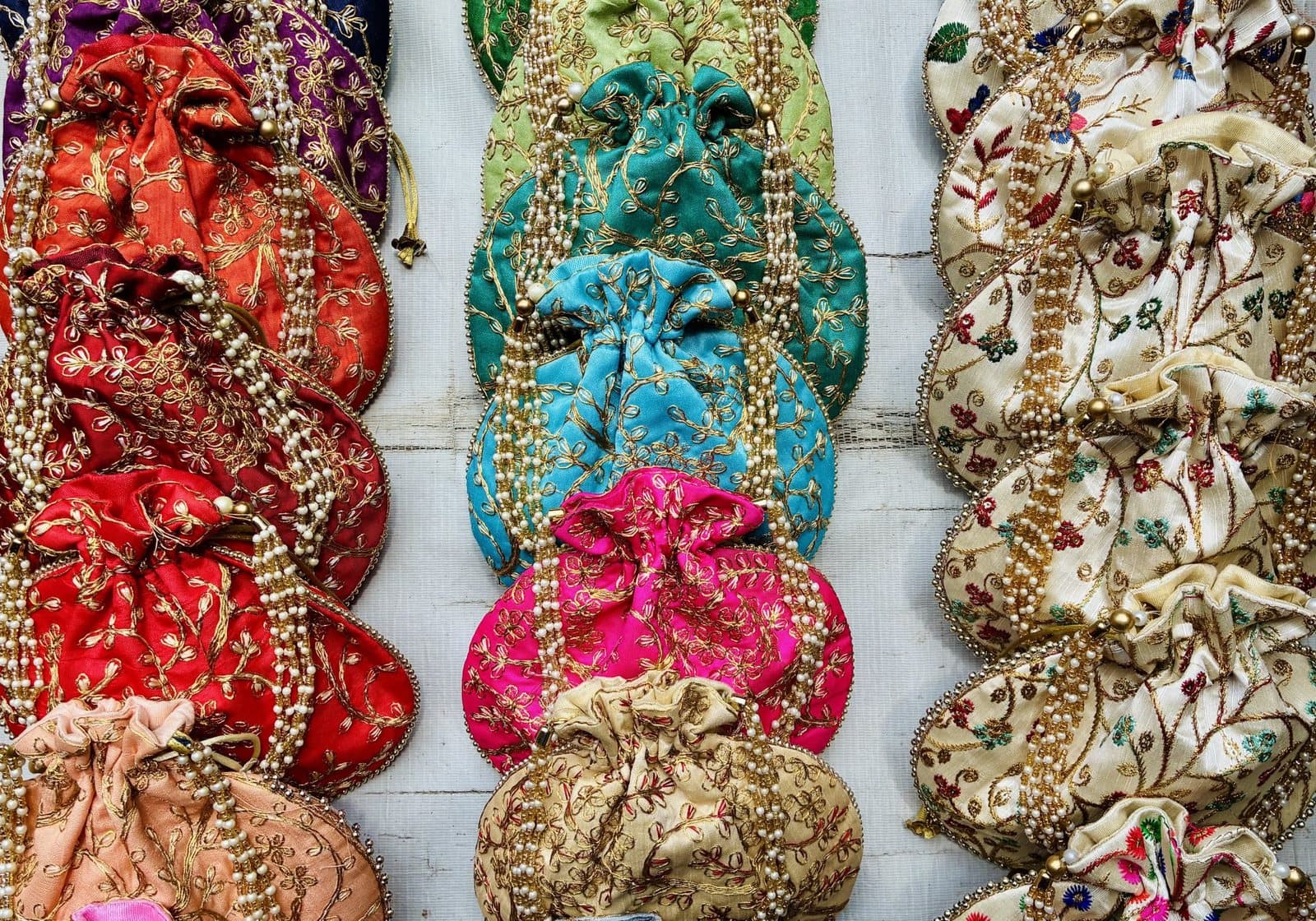
Jaipur is the kind of city where you can enter a market planning to buy one scarf and leave two hours later carrying mojari, bangles, bedsheets, blue pottery, jewellery, three gifts you didn't know you needed and absolutely no memory of where your original shopping list went.
Shopping here is not just something to squeeze between Hawa Mahal and dinner.
It is part of experiencing Jaipur.
The old city's bazaars were integrated into Jaipur's original urban plan, with different streets and neighbourhoods developing around particular trades and crafts. Jaipur Municipal Corporation still identifies Johari Bazaar, Chandpole, Tripolia, Kishanpole, Bapu Bazaar, Nehru Bazaar and Sireh Deori among the city's main traditional markets.
So whether you're searching for traditional jewellery, Jaipur textiles, juttis, lac bangles, handicrafts, home decor, wedding shopping, books or wholesale goods, knowing which market to visit makes a huge difference.
Best Markets in Jaipur at a Glance
| Market | Best for |
|---|---|
| Johari Bazaar | Jewellery, gemstones, Kundan and Meenakari |
| Bapu Bazaar | Mojari, textiles, souvenirs and affordable shopping |
| Tripolia Bazaar | Lac bangles, metalware and traditional goods |
| Chandpole Bazaar | Handicrafts, marble work and wooden products |
| Kishanpole Bazaar | Fabrics, woodcraft and traditional handicrafts |
| Nehru Bazaar | Juttis, clothes and budget shopping |
| Sireh Deori Bazaar | Quilts, home decor and souvenirs near Hawa Mahal |
| Maniharon Ka Rasta | Handmade lac bangles |
| Chaura Rasta | Books, stationery and publishing |
| Purohit Ji Ka Katla | Wholesale and bulk shopping |
| Sanganer | Block-printed textiles and fabric sourcing |
| MI Road | More organised shopping, jewellery and contemporary retail |
Now let's figure out where you should actually spend your money.
1. Johari Bazaar: Jaipur's Famous Jewellery Market
If jewellery is anywhere on your Jaipur shopping list, Johari Bazaar should probably be your first stop.
The word johari itself refers to a jeweller, so the market's speciality isn't exactly subtle.
Located inside Jaipur's historic walled city, Johari Bazaar has long been associated with the city's jewellery and gemstone trade. Jaipur's municipal tourism information describes it as one of the city's famous markets for gems and jewellery.
Here you'll encounter everything from elaborate wedding jewellery to smaller silver pieces.
The market is particularly associated with traditional styles such as Kundan and Meenakari, along with precious and semi-precious stones, silver jewellery and contemporary designs. Recent Jaipur shopping guides continue to identify Johari Bazaar as the city's primary traditional jewellery district.
What should you buy here?
Come for jewellery, gemstones, silver accessories and traditional Rajasthani designs.
Even if you're not planning to buy anything expensive, Johari Bazaar is worth walking through simply to see the displays and understand how important jewellery remains to Jaipur's commercial identity.
Apna Jaipur Tip
For expensive jewellery or gemstones, don't buy from the first shop simply because someone confidently tells you you're getting a "special price only today."
Compare sellers.
Ask for a proper invoice.
For valuable stones, ask about appropriate certification and understand exactly what you're purchasing.
A ₹300 pair of earrings can be spontaneous.
A ₹3 lakh gemstone probably shouldn't be.
2. Bapu Bazaar: Best Market in Jaipur for Tourists
If you have only enough time for one easy, all-purpose shopping market, Bapu Bazaar is probably the most convenient choice.
It offers the kind of product mix most visitors expect when they imagine shopping in Jaipur.
Think:
colourful textiles, mojari footwear, bags, handicrafts, clothing, souvenirs, traditional fabrics and accessories.
Jaipur's civic tourism information particularly associates Bapu Bazaar with mojari, Rajasthani fabrics, handicrafts, attar, clothing and decorative items.
It is one of those places where you can shop for five different people without travelling to five different markets.
Who should visit?
First-time tourists.
Souvenir shoppers.
People buying gifts.
Anyone whose brief is basically:
"I want something from Jaipur, but I'm not completely sure what."
Bapu Bazaar will solve that problem for you.
What makes it useful?
It is much easier for a casual shopper to navigate than some of Jaipur's specialised wholesale lanes.
You can browse, compare prices and discover products without necessarily knowing what you want before arriving.
3. Tripolia Bazaar: For Lac Bangles & Traditional Jaipur
Tripolia Bazaar has a somewhat different character from Bapu Bazaar.
While tourists certainly visit, parts of Tripolia retain the feeling of an old commercial district serving Jaipur residents.
The market is historically associated with lac bangles, handlooms and metal goods, with Jaipur's municipal information specifically highlighting lac jewellery and handlooms.
If colourful Rajasthani bangles are on your list, this is one of the most important areas to explore.
But don't stop at the main road.
Some of Jaipur's most interesting shopping experiences are hidden in the specialised lanes branching from larger bazaars.
One of those is Maniharon Ka Rasta.
More on that shortly.
Best for
Lac bangles, traditional accessories, metalware, handlooms and exploring a less polished side of Jaipur's market culture.
Apna Jaipur Tip
Give yourself time to wander into the smaller market lanes.
That's often where Jaipur shopping becomes considerably more interesting than simply browsing the main storefronts.
4. Chandpole Bazaar: For Handicrafts & Marble Work
If you're shopping for your home rather than your wardrobe, head towards Chandpole Bazaar.
Jaipur's official market information identifies Chandpole with marble artefacts, handicrafts, furniture and art.
This is where you'll find a stronger concentration of products such as carved objects, decorative pieces, wooden crafts and marble work.
The appeal is different from Bapu Bazaar.
You're less likely to come here looking for a ₹300 souvenir bag and more likely to find something that ends up permanently sitting in your living room.
Or, depending on your shopping self-control, several things.
Best for
Home decor, marble handicrafts, wooden objects, traditional crafts and decorative pieces.
Before buying large items
Ask whether the seller offers secure packing or shipping.
That marble elephant may look lovely in the shop.
It becomes considerably less charming when you're trying to fit eight kilograms of Rajasthan into cabin baggage.
5. Kishanpole Bazaar: Fabrics, Woodwork & Traditional Crafts
Kishanpole Bazaar is another historic commercial street worth exploring, especially if you're interested in textiles and crafts.
Jaipur's civic tourism sources associate Kishanpole with Rajasthani fabrics, wood carvings, decorative products and traditional souvenirs.
Compared with some of the more tourist-heavy bazaars, parts of Kishanpole can feel more trade-oriented.
This can make it interesting for people who actually enjoy the process of shopping rather than simply wanting a convenient souvenir stop.
You may find dyed fabrics, textiles, wooden products, decorative pieces and traditional handicrafts.
Best for
Fabric lovers, interiors, traditional crafts and people looking beyond the most obvious tourist shops.
Who should visit?
If you've already seen Bapu Bazaar and want something slightly more locally oriented, Kishanpole makes sense.
6. Nehru Bazaar: Jaipur's Budget Shopping Favourite
Want juttis without turning shoe shopping into a research project?
Try Nehru Bazaar.
The market is known particularly for traditional footwear, garments, fabrics and affordable street shopping. Jaipur's municipal information specifically identifies jootis, handicrafts and fabrics among its main categories.
Nehru Bazaar sits close enough to Bapu Bazaar that it makes sense to explore both during the same outing.
Best for
Traditional juttis, casual clothes, fabrics, inexpensive accessories and budget souvenirs.
Shopping tip
For footwear, don't focus entirely on how the jutti looks.
Try both shoes.
Walk around.
Check the stitching and sole.
Traditional footwear that looks stunning and destroys your feet after 400 metres is not a bargain.
It is punishment with embroidery.
7. Sireh Deori Bazaar: Shop With Hawa Mahal Behind You
One of Jaipur's easiest markets to combine with sightseeing is Sireh Deori Bazaar.
It sits around the Hawa Mahal area, so there's a decent chance you'll walk through or past it even if shopping wasn't originally part of your plan.
Jaipur's heritage tourism information associates the market with quilts, blankets, shoes, home decor, cushions and bedspreads.
The location is the real advantage.
You can explore Hawa Mahal, City Palace or Jantar Mantar and then shop without travelling halfway across Jaipur.
Best for
Jaipuri quilts, home textiles, souvenirs, footwear and smaller handicraft purchases.
Best itinerary
Try:
Hawa Mahal → Sireh Deori Bazaar → City Palace → Johari Bazaar
That gives you sightseeing and shopping without constantly getting into a cab.
8. Maniharon Ka Rasta: The Place for Lac Bangles
Now we're getting into the Jaipur most generic shopping guides barely explain.
Maniharon Ka Rasta is associated with traditional lac bangle makers and sits within the old-city commercial network around Tripolia.
The lane remains known for colourful lac bangles, including traditional and bridal designs. Current local listings and Jaipur visitor guides continue to identify it specifically with lac bangle making.
This is more interesting than simply buying bangles from a random souvenir shop because the product is connected directly to a traditional Jaipur craft community.
In some workshops and shops, you may even be able to see elements of the bangle-making process.
Best for
Lac bangles, bridal bangles, traditional accessories and colourful gifts.
Why visit?
Because Jaipur shopping becomes far more memorable when you understand who makes something and where the craft comes from, rather than just buying whatever happens to be displayed closest to your hotel.
9. Chaura Rasta: Jaipur's Book Market
Not everything in Jaipur has to involve jewellery and block prints.
Book lovers should explore Chaura Rasta.
Running through the old city, Chaura Rasta is particularly associated with publishing houses, books and stationery. The City of Jaipur describes publishing houses and bookstores as one of the street's defining commercial features.
You'll find educational books, stationery, printing-related businesses and specialist shops serving Jaipur residents rather than tourists.
That makes it a completely different market experience.
Best for
Books, stationery, educational supplies and anyone who somehow goes on holiday and still ends up buying books.
You know who you are.
10. Purohit Ji Ka Katla: Jaipur for Wholesale Buyers
Most tourists won't need Purohit Ji Ka Katla.
Business buyers might.
This dense market area is much more wholesale-oriented than Jaipur's famous tourist bazaars.
City of Jaipur describes it as a traditional wholesale market with categories including toys, plastic goods and stationery, noting that many businesses trade in large quantities.
The larger Katla area contains tightly packed lanes and a changing mix of traders, so this isn't really somewhere to visit for a leisurely Instagram shopping afternoon.
It is much more interesting if you're sourcing products, comparing wholesale rates or trying to understand Jaipur's commercial ecosystem.
Best for
Bulk buying, wholesalers, retailers and business visitors.
Apna Jaipur Tip
Don't approach wholesale markets exactly like tourist markets.
Ask clearly about:
minimum order quantities, wholesale versus retail rates, GST invoices, transport, packaging and dispatch arrangements.
A great per-piece rate doesn't help if the minimum order is 500 units and you wanted six.
11. Sanganer: Go Closer to the Source for Textiles
If you're genuinely interested in Jaipur textiles rather than just buying a printed scarf, consider travelling to Sanganer.
The area is historically associated with Sanganeri hand block printing and textile production.
Recent local visitor guides continue to identify Sanganer as an important destination for printed fabrics, dress materials, bedsheets, dupattas and textile sourcing.
This is especially useful for designers, boutiques, retailers and visitors interested in how Jaipur's famous textile industry actually works.
Sanganeri vs Bagru prints
They aren't simply two names for the same thing.
Sanganer and Bagru represent distinct printing traditions and production centres.
If textiles are an important reason for your trip, both deserve deeper exploration eventually.
Best for
Block prints, fabric sourcing, bedsheets, dress materials and textile buyers.
12. MI Road: When You Want Shopping Without the Bazaar Chaos
Not everyone finds tightly packed old-city markets charming after three hours.
Sometimes you want air conditioning.
Fair.
MI Road offers a more organised commercial environment with jewellery stores, clothing, handicraft outlets, emporia and modern retail.
It doesn't offer quite the same historic market experience as Johari or Tripolia, but that's not necessarily a disadvantage.
Best for
People who want more structured shopping, established stores, jewellery showrooms and easier browsing.
MI Road is particularly useful if you want Jaipur products but prefer conventional retail over bargaining your way through crowded market lanes.
Which Is the Best Market in Jaipur?
There isn't one.
And anyone telling you otherwise probably hasn't asked what you want to buy.
If you're buying jewellery, go to Johari Bazaar.
For souvenirs and general Jaipur shopping, start with Bapu Bazaar.
For lac bangles, explore Tripolia Bazaar and Maniharon Ka Rasta.
For handicrafts, try Chandpole.
For traditional fabrics and crafts, add Kishanpole.
For budget footwear, go to Nehru Bazaar.
For books, head to Chaura Rasta.
For wholesale buying, look beyond tourist markets towards areas such as Purohit Ji Ka Katla.
For textiles closer to production, explore Sanganer.
That's why shopping in Jaipur becomes much easier once you stop treating every bazaar as interchangeable.
What Should You Buy in Jaipur?
Jaipur has several product categories genuinely associated with the city's craft and commercial traditions.
Jewellery remains one of the most important, particularly Kundan, Meenakari, silver jewellery and gemstones.
Textiles are another obvious choice. Look for block prints, Bandhani, Leheriya, cotton fabrics, quilts, bedsheets and dress materials.
Traditional footwear such as mojari and jutti is widely available across Bapu and Nehru Bazaar.
Lac bangles make excellent smaller gifts and connect directly with Jaipur's craft heritage.
For interiors, Jaipur offers marble work, wooden handicrafts, decorative textiles, blue pottery and traditional home accessories.
The best purchase isn't necessarily whatever appears most "Rajasthani."
It is something you genuinely like and know enough about to judge its quality.
Best Jaipur Markets for Tourists
If you're visiting for the first time and have only a few hours, don't attempt all twelve places.
Start around the Pink City.
A practical shopping route is:
Hawa Mahal → Sireh Deori → Johari Bazaar → Bapu Bazaar → Nehru Bazaar
You can cover several styles of shopping while also experiencing Jaipur's historic centre.
If you have another half-day, add Tripolia and Chandpole.
Business buyers should plan completely differently and visit specialised sourcing areas based on the product category.
Best Markets in Jaipur for Wedding Shopping
Jaipur is a serious wedding-shopping city.
Johari Bazaar is the obvious place to begin for jewellery.
Maniharon Ka Rasta is useful for traditional and bridal bangles.
The old city also contains specialised lanes and traders dealing with sarees, lehengas, fabrics, accessories, decorative products and wedding-related supplies.
If you're coming specifically for a wedding, don't try to buy everything from the same market.
Jaipur's traditional market structure rewards specialisation.
Buy jewellery where jewellers specialise.
Buy bangles where bangle makers specialise.
Buy fabrics from textile markets.
That's basically how the city was designed to work.
Can You Bargain in Jaipur Markets?
Often, yes.
But bargaining isn't an Olympic event.
There is no medal for reducing a craftsperson's ₹450 product to ₹410 after 20 minutes of emotional warfare.
In street markets, comparing several sellers before buying usually gives you a better understanding of the realistic price range.
For expensive jewellery, gemstones or high-value crafts, focus on authenticity, documentation and quality rather than simply chasing the lowest price.
In established showrooms, boutiques and fixed-price shops, bargaining may not be relevant at all.
The rule is simple:
Negotiate where appropriate. Don't make it weird.
Jaipur Shopping Tips You Should Actually Know
Market opening patterns vary by street and individual shop, and traditional weekly closures can differ, so verify a particular store before making a special journey. Current sources do not always agree on exact market hours, which is a good reason not to build a shopping day around a single online timing.
Carry digital payment options but keep some cash available for smaller shops.
For jewellery and valuable items, insist on proper billing and relevant documentation.
Check textile dimensions rather than relying on phrases such as "double bedsheet."
Inspect handicrafts for cracks, loose joints or poorly finished sections before packing them.
When buying several units of the same product, ask separately for a bulk rate.
And perhaps most importantly, don't attempt serious old-city shopping with a car following you from shop to shop.
Walk where practical.
Jaipur's historic markets make much more sense on foot.
Best Time to Visit Jaipur Markets
During the cooler months from roughly October to March, walking through Jaipur's outdoor bazaars is considerably more comfortable.
In hotter months, morning and later afternoon are preferable to peak heat.
For shopping rather than sightseeing, late morning can be useful because most stores are active but the heaviest evening crowds may not have arrived yet.
Festivals and wedding seasons can make certain markets exceptionally busy, particularly areas selling jewellery, clothing and bangles.
Busy can be fun.
Busy while carrying six shopping bags in 40°C heat is a different genre of experience.
Are Jaipur's Markets Only for Tourists?
Definitely not.
This is what makes them interesting.
Many of Jaipur's historic markets remain functioning commercial districts serving residents, retailers and businesses.
The old city was designed with commerce as a central element. UNESCO's description of historic Jaipur highlights its planned bazaars, craft traditions and commercial streets as integral parts of the city's urban structure.
So while certain shops naturally cater heavily to tourists, the broader market network is very much alive.
People still come here for wedding purchases.
Retailers source stock.
Students buy books.
Families buy utensils.
Jewellers conduct business.
Craftspeople manufacture products.
The markets aren't heritage sets.
They're working Jaipur.
Frequently Asked Questions About Jaipur Markets
Which is the most famous market in Jaipur?
Johari Bazaar and Bapu Bazaar are among Jaipur's best-known markets. Johari Bazaar is particularly famous for jewellery and gemstones, while Bapu Bazaar is popular for textiles, mojari, handicrafts and souvenirs.
Which Jaipur market is best for jewellery?
Johari Bazaar is Jaipur's traditional jewellery district and is particularly associated with gemstones, Kundan, Meenakari, silver and other jewellery styles.
Which market is best for clothes in Jaipur?
Bapu Bazaar, Nehru Bazaar and Kishanpole are useful starting points for clothing, traditional fabrics and textiles, depending on exactly what you're looking for.
Where can I buy juttis in Jaipur?
Bapu Bazaar and Nehru Bazaar are both particularly associated with traditional Jaipur footwear.
Where can I buy lac bangles in Jaipur?
Tripolia Bazaar and Maniharon Ka Rasta are among the most relevant places for traditional lac bangles.
Which market is best for handicrafts in Jaipur?
Chandpole Bazaar and Kishanpole Bazaar are strong options for handicrafts, woodwork, marble pieces and decorative products.
Where can I buy Jaipur block-printed fabrics?
You'll find printed textiles in several central markets, but Sanganer is particularly important if you want to explore Jaipur's textile-production side and Sanganeri printing tradition.
Which Jaipur market is near Hawa Mahal?
Sireh Deori Bazaar sits directly around the Hawa Mahal area, while Johari Bazaar and other Pink City markets are also nearby.
Are Jaipur markets good for wholesale shopping?
Yes. Jaipur has significant wholesale trade across textiles, jewellery, handicrafts and general merchandise. Areas such as Purohit Ji Ka Katla are more wholesale-oriented, while specialised product sourcing also takes place in markets and manufacturing districts around the city.
Final Thoughts
Jaipur doesn't really have one shopping market.
It has an ecosystem of markets.
That's the important distinction.
Johari Bazaar isn't Bapu Bazaar with more jewellery.
Tripolia isn't simply another souvenir street.
Chandpole has its own craft identity.
Chaura Rasta serves an entirely different customer.
Sanganer connects you with Jaipur's textile-production tradition.
And behind the famous bazaars are smaller lanes where particular crafts and businesses have been concentrated for generations.
That's why the best way to shop in Jaipur is not to ask:
"Which is the best market?"
Ask:
"What do I want to buy?"
Then go where Jaipur has been selling it for decades, and sometimes centuries.
And even if you buy absolutely nothing, spend an hour walking through the old markets anyway.
The jewellery displays, shopfronts, craftsmen, pink facades, crowded streets and constant bargaining tell you almost as much about Jaipur as another palace does.
Just don't blame us when "I'm only looking" turns into three shopping bags.